


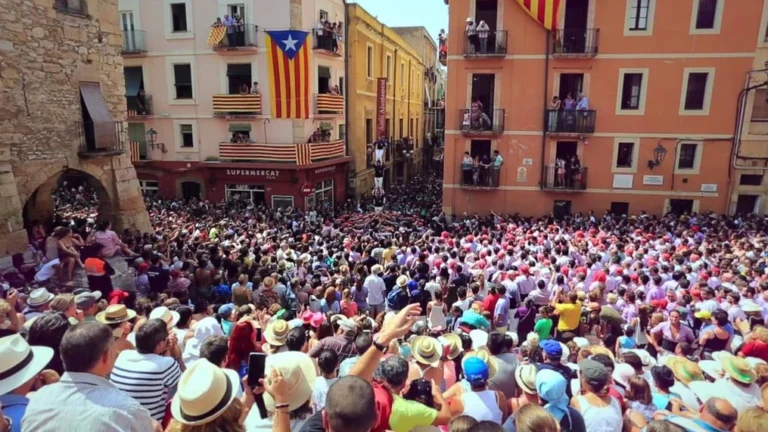
This is one of the city’s most important festivals and is celebrated with fascinating culture such as the Magí de les Timbales, the Giants, the Gegantons Negritos, dwarves, bastoners (dancers who beat rhythms together) and more. The castells (human towers) also play a part in the celebration, along...

The Tarragona Music Festival is an ongoing summer music event with many concerts on some of the most historic stages in the entire Mediterranean, such as the Tarraco Arena (former bullfighting arena) or the Auditori Municipal del Camp de Mart (right next to the 2,000-year-old Roman wall).
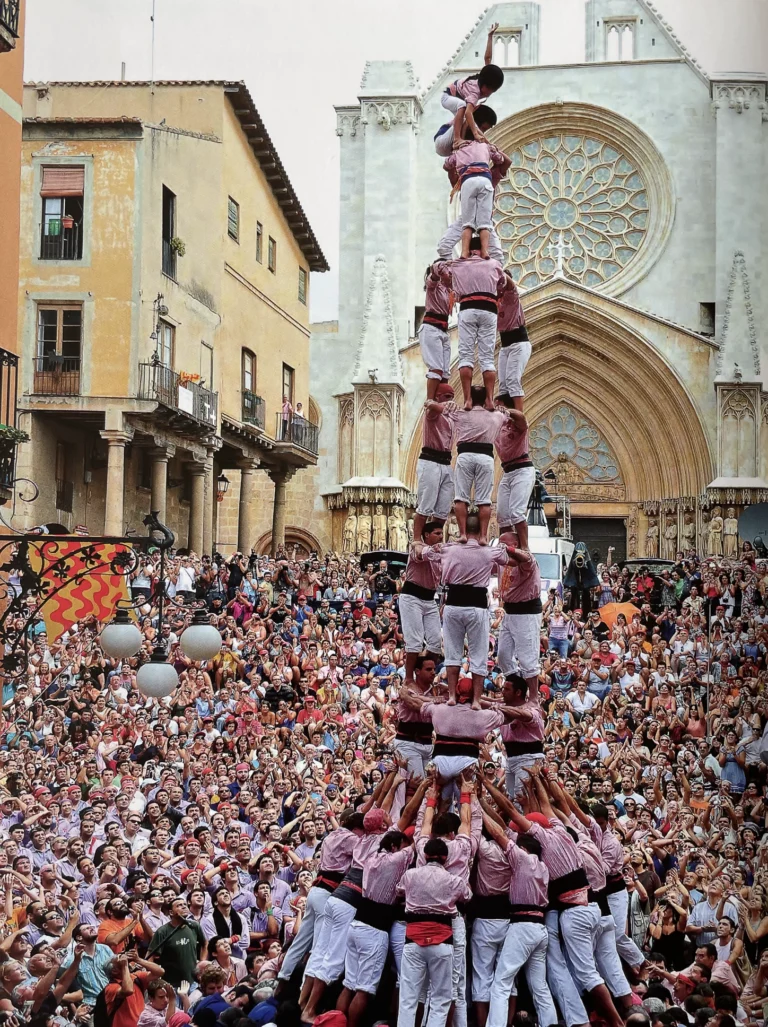
How does it feel to stand on top of a nine-storey tower completely made up of people? In Catalonia there is a long tradition of building human towers which represents not only a daring feat but also a rich cultural tradition. The towers, known as castells (meaning castle in Catalan), take different...

The posts in Pilon Street are painted over every year during Festes de Sant Agapito Bist. A mini street art street party in Part Alta Tarragona. A party with live music and lots of paint splashes.
Click here for the website of the Pilons Parade
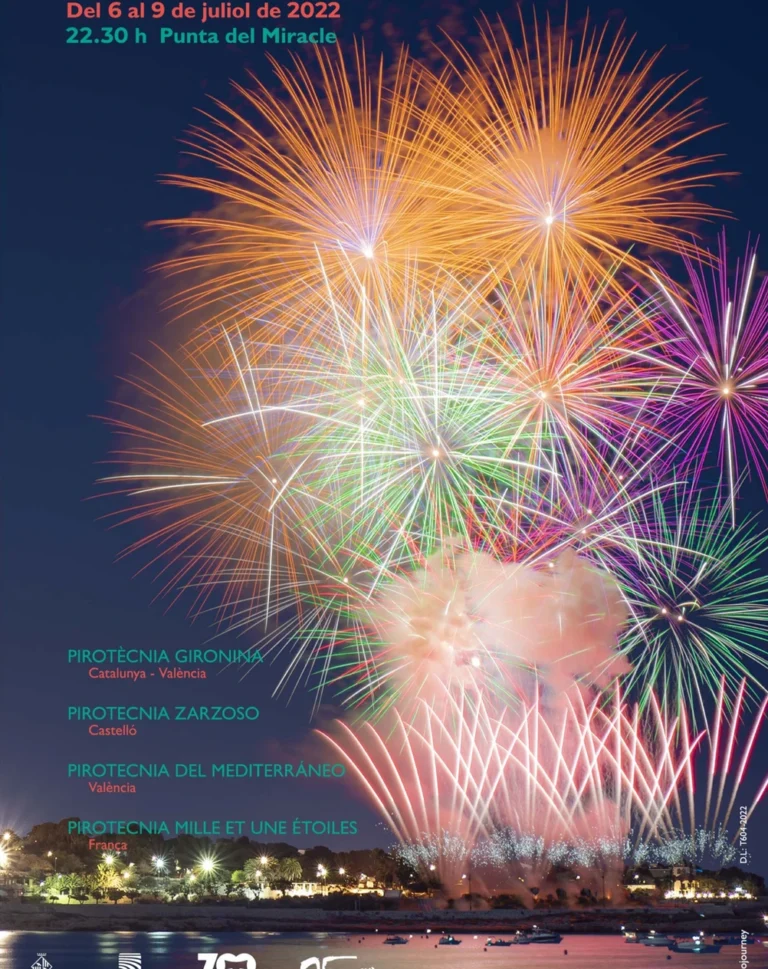
The International Fireworks Festival (Concurs de Focs Artificials) has been a tradition in Tarragona since 1990 and has become one of the most important in the Mediterranean. Over a number of evenings in July, the participants show their spectacular fireworks from Punta del Miracle. Those evenings Miracle...
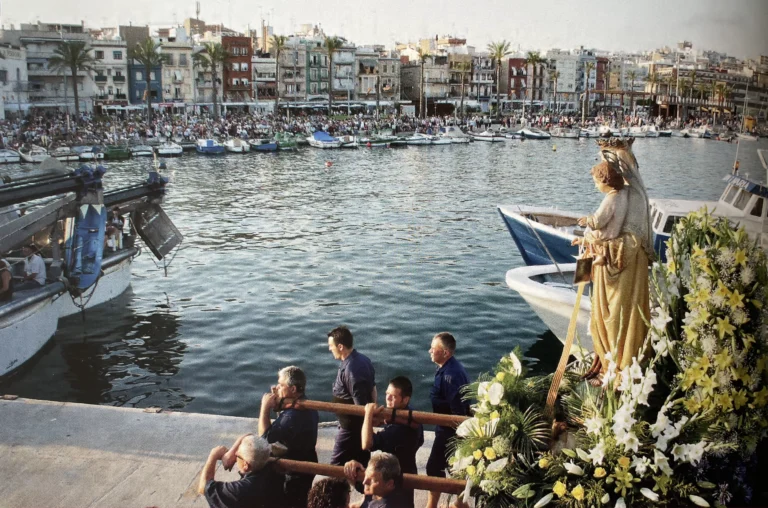
The fishing district’s main festival, the Serrallo, is one of the city’s most traditional neighborhood festivals. By the way, every neighborhood in the city has its own party, too many to show here all.
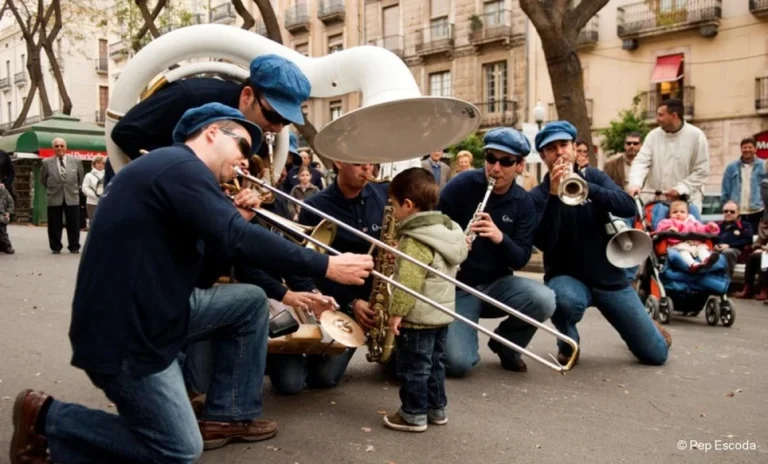
Large jazz and dixieland festival (music from New Orleans) with up to 50 concerts throughout the city.
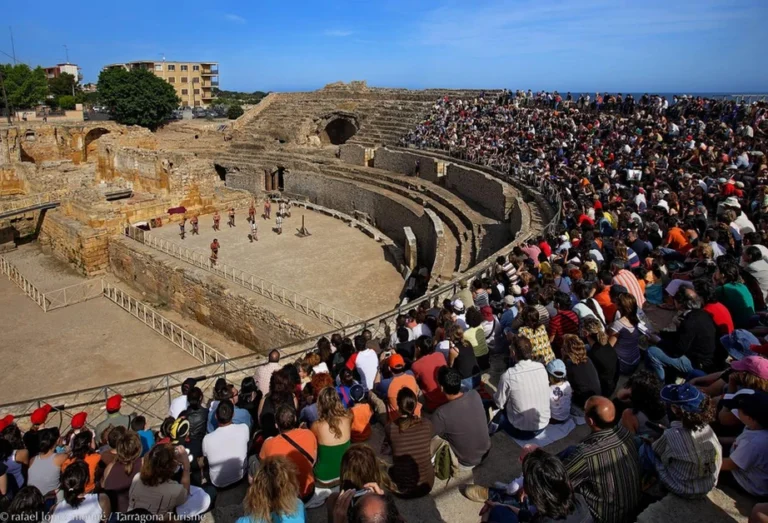
A unique experience: Roman gladiator fights, theater plays, music, etc. are re-enacted in an authentic way throughout the city in a two-thousand-year-old setting. The town’s restaurants also offer classic dishes from the Roman era.
Click here for video Tarraco Viva

A classic: more than twenty restaurants in Tarragona offer menus with seafood rice as the main protagonist, at a great price.
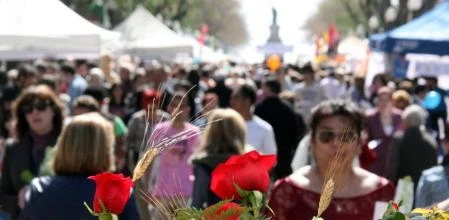
La Diada de Sant Jordi is not only the day of the patron saint of Catalonia, but also the day of the rose and of the book. The story of the rose comes from a legend in the city of Montblanc (Tarragona). Sant Jordi killed the dragon that terrorized the city and from the blood grew a rose bush. The knight...
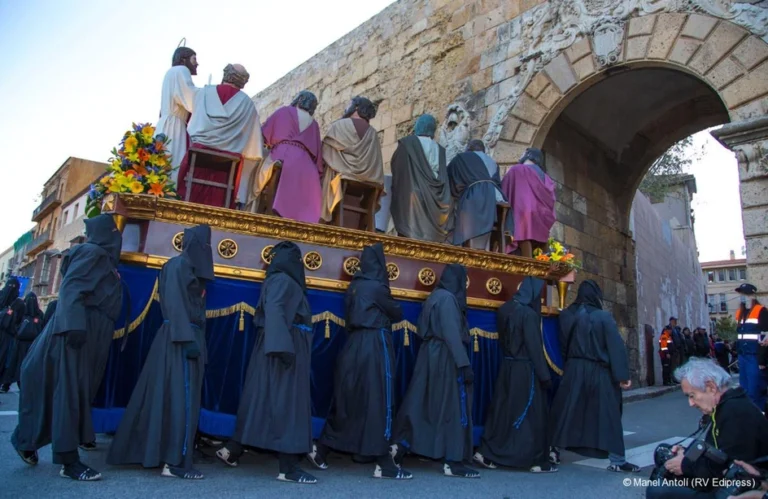
La Semana Santa is one of the most important celebrations in Tarragona, and since 2010 a ‘heritage of national importance’. The procession through the streets of the old town dates back to 1550.
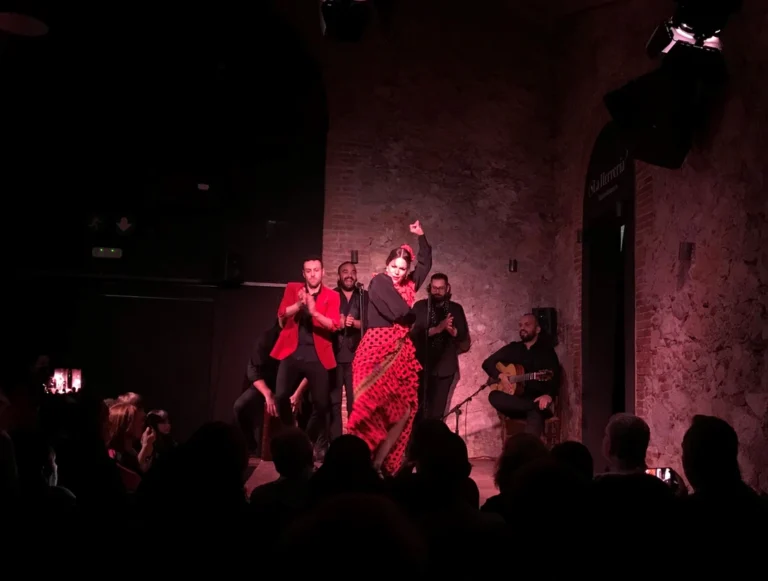
Many activities around Flamenco, but especially many concerts. Many of which are in the former bullfighting arena in the center of town.
Click here for a video of the Flamenco festival in Tarragona
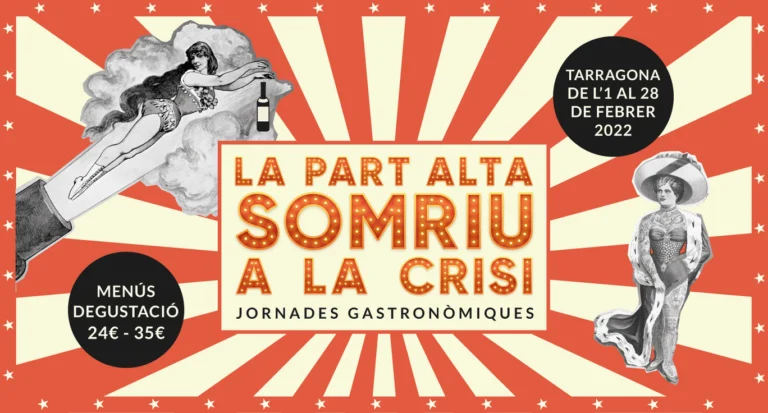
During the month of February, nine top restaurants in Part Alta (Tarragona’s old town) offer gourmet menus, along with local wines, for a fixed discounted price. It is advisable to book in advance at one of the participating restaurants, namely: Àpats Quattros, Frida, Palau del Baró, Racó de l’Abat,...
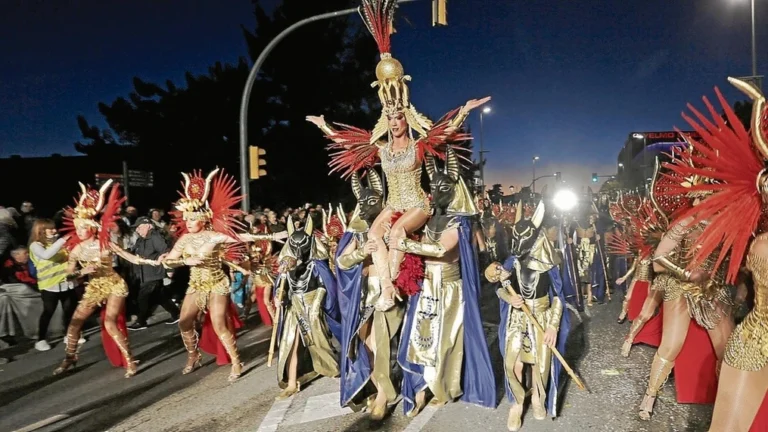
Carnival all week, culminating in the parade on Saturday night.
Click here for a video of the carnival in Tarragona

The Spanish equavilent of the Dutch Sinterklaas, where children receive their gifts. They arrive late at night at the Plaza de la Font, with wonderful animations at the town hall.
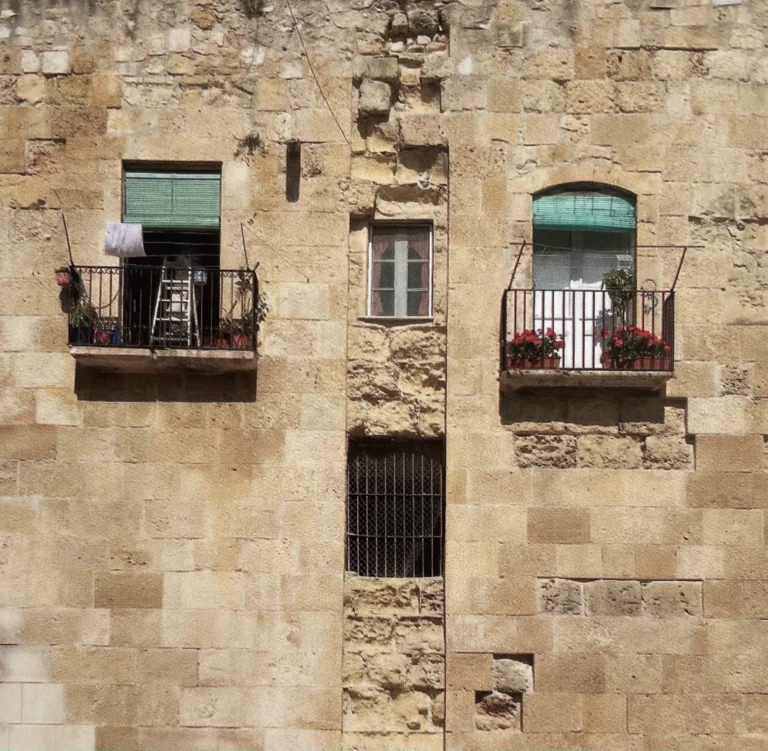
Since the Roman wall was built two thousand years ago, a lot has been renovated. Apartments have been built in it, as can be seen here near the paseo de Sant Antoni.
Click here for a video explaining how the Roman wall is constructed

You can find this ampellium mosaic in the Paleo-Christian necropolis of Tarragona, one of the best-known and best-preserved late Roman cemeteries (3rd-5th century AD) from the Roman Empire.
Click here for a short video of Museo y Necrópolis Paleocristianos, Tarragona
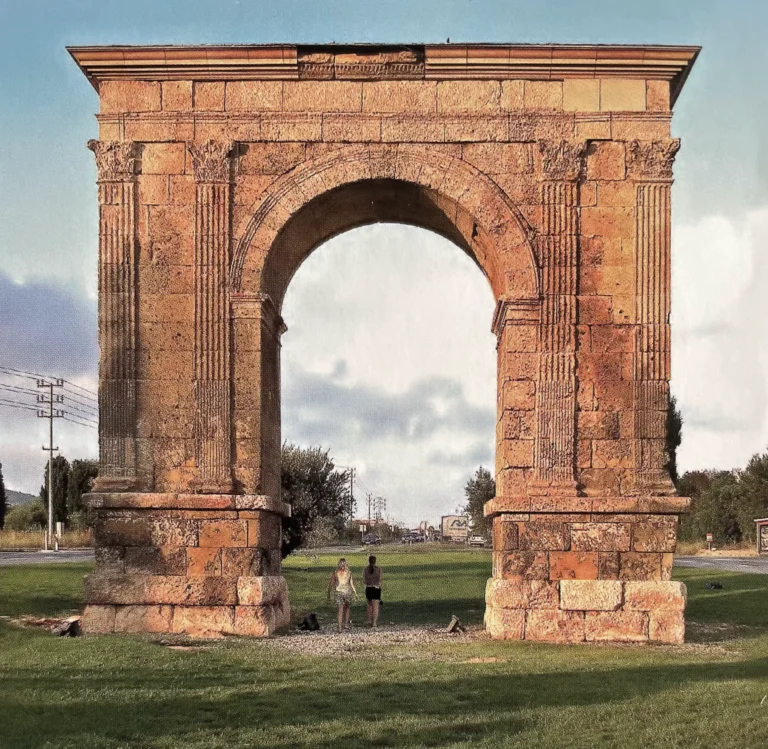
The Arc de Berà (Catalan for Arch of Berà) is a Roman triumphal arch near the Spanish village of Roda de Barà, 20 kilometers north of Tarragona. It stands on the Via Augusta, a Roman road restored by Emperor Augustus at the beginning of the 1st century. The arch was built around 13 BC. built for Lucius...

It was built in the middle of the 1st century, six kilometers from the city of Tarraco, the capital of Hispania Citerior, on the route of the Via Augusta, the Roman road that connected in the Iberian Peninsula from the Pyrenees to Gadir, (Cadiz). It is one of the most important funerary monuments from...

The Roman villa of Centcelles contains a masterpiece of early Christian art. In one of the rooms, which is almost completely preserved, you can see the oldest known Christian-themed dome mosaic in the Roman world, dating from the 4th century AD.Click here for a movie about Centcelles (in English)

It is a huge pit, more than 200 m. long, where stone was quarried in Roman times. In the center of the quarry stands a stone column that has been left untouched, known as the “agulla de Mèdol”. Stone from the quarry was used to build a number of important buildings in Tarraco.
Click here...
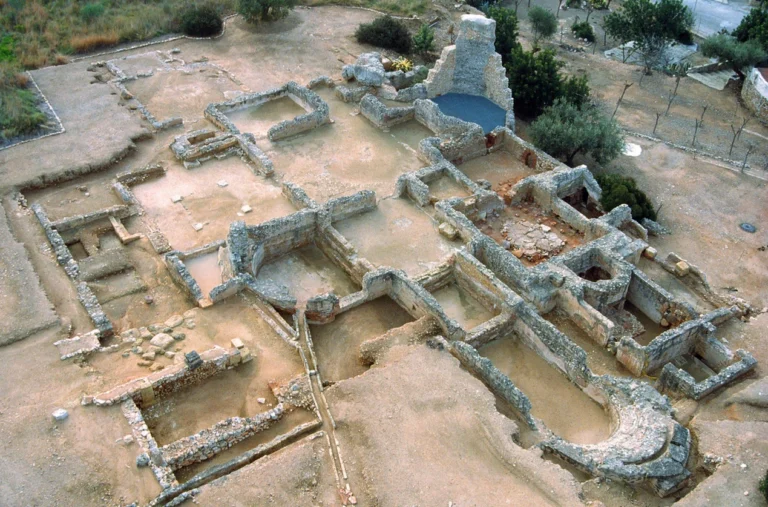
Vila Romana dels Munts is one of the best preserved aristocratic villas from Roman Hispania. In an incomparable setting on the shores of the Mediterranean, the inhabitants of this country house would have enjoyed the tranquility of rural life and the beauty of its surroundings, but without giving up...
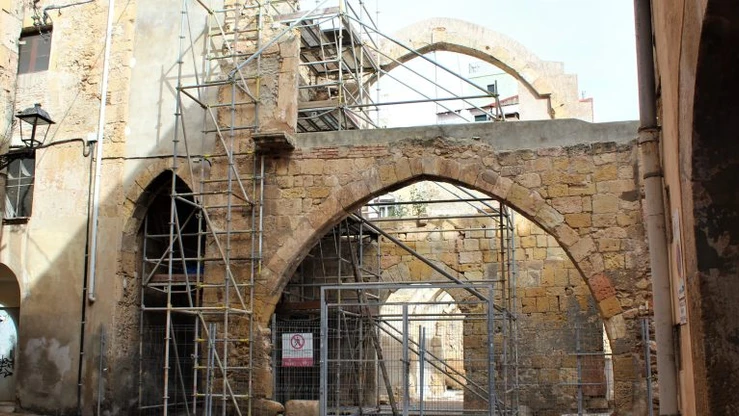
The Ca la Garsa building, located on the former Roman provincial forum, is largely constructed with recycled Roman bluestone. It is a unique architectural remnant of the Jewish community in Tarragona from 1238 to 1492. Today everything has been demolished, only the medieval arches and part of the late...

Established in 1976, this museum fills three separate contiguous 18th-century houses. The collection includes 20th-century paintings and sculptures by Julio Antonio, Salvador Martorell, Santiago Costa, Josep Sancho, José Nogué, Ramon Carreté, Lluís Saumells and also features temporary exhibitions.

Casa Canals is one of the few noble houses in Tarragona that has been completely preserved to this day. The house was built into the Roman wall dating back to the late 2nd century BC, and remains of a 14th-century house can still be seen on the first floor. The building also contains a shelter from the...
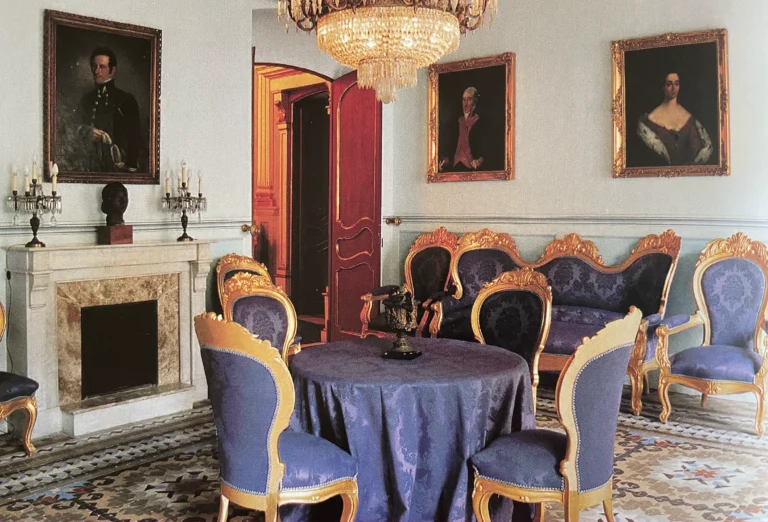
In the Middle Ages, Carrer Cavallers was the place where the most important noble families of the city had their houses and palaces. Today, number 14, once the residence of the powerful Castellarnau family, is a museum. The house, itself from the 15th century, is currently after several renovations mainly...
